
University of Richmond Accessibility Study

University of Richmond Accessibility Study
Overview
We are very familiar with the historic and stunningly beautiful University of Richmond campus, having been fortunate to have worked there for many years. For this project, we were asked to do two things: First, to evaluate the Campus in terms of its accessibility, and Second, to create a landscape standards document to ensure consistency and character of the physical campus environment for future developments.
Landscape Standards
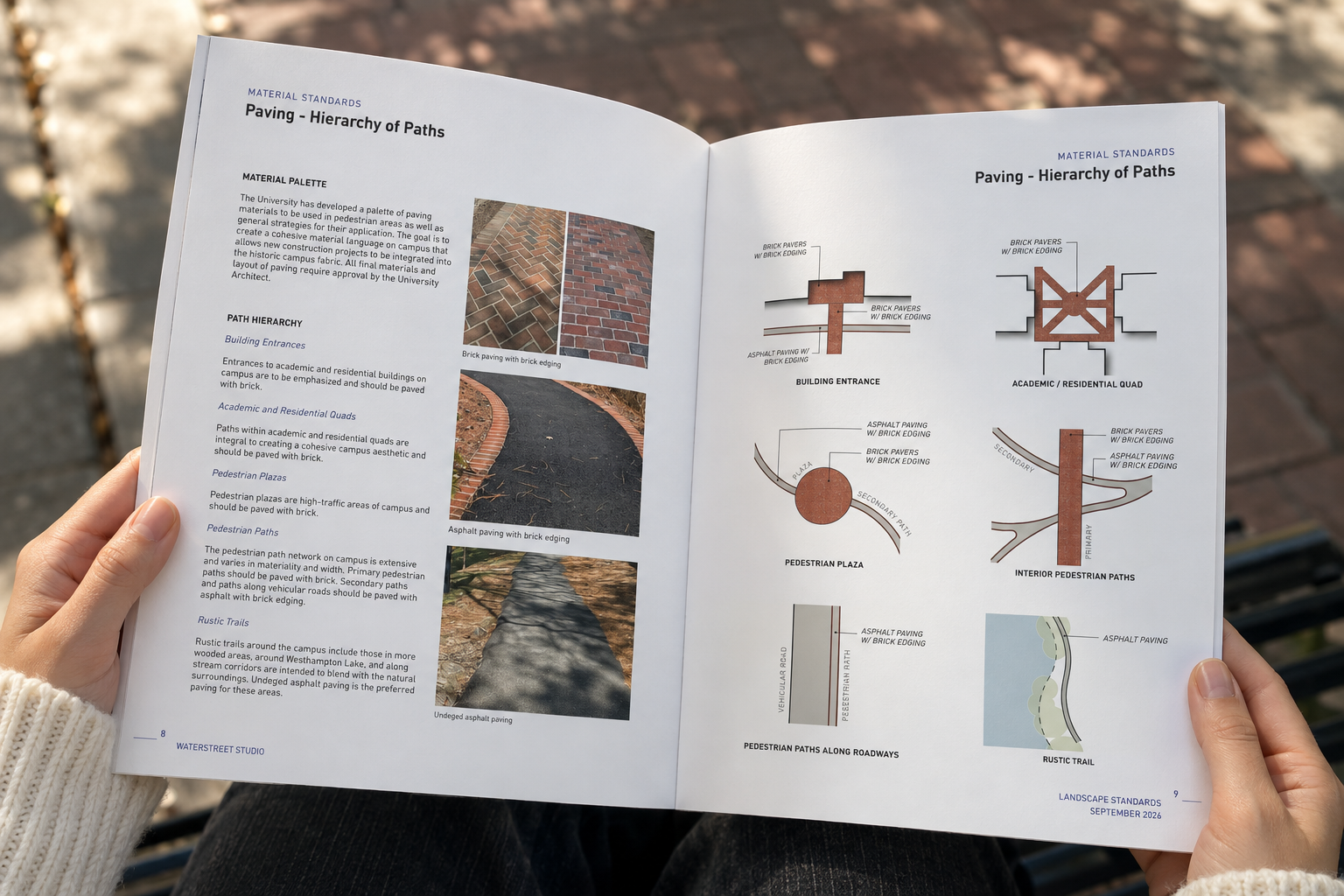
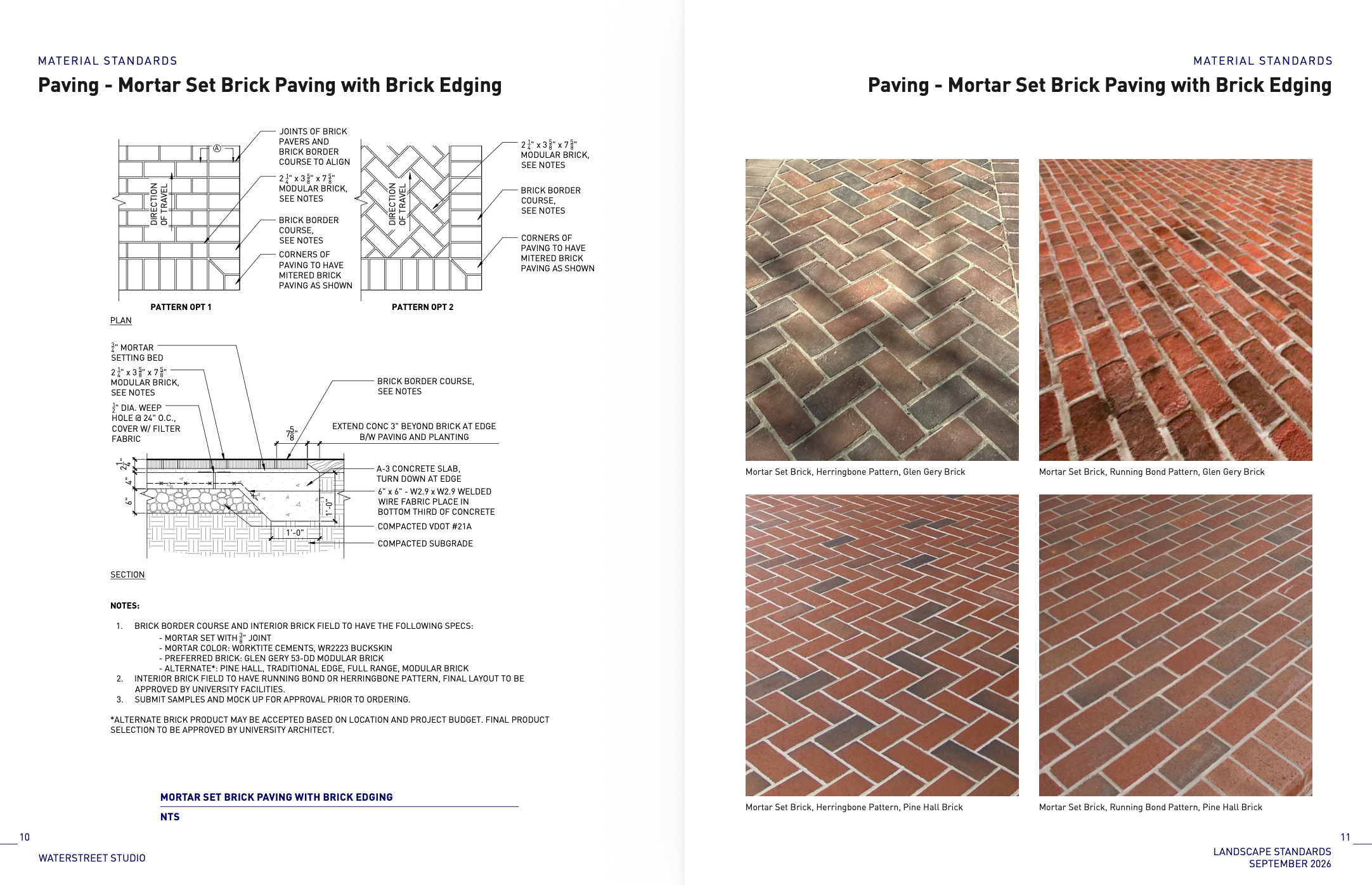
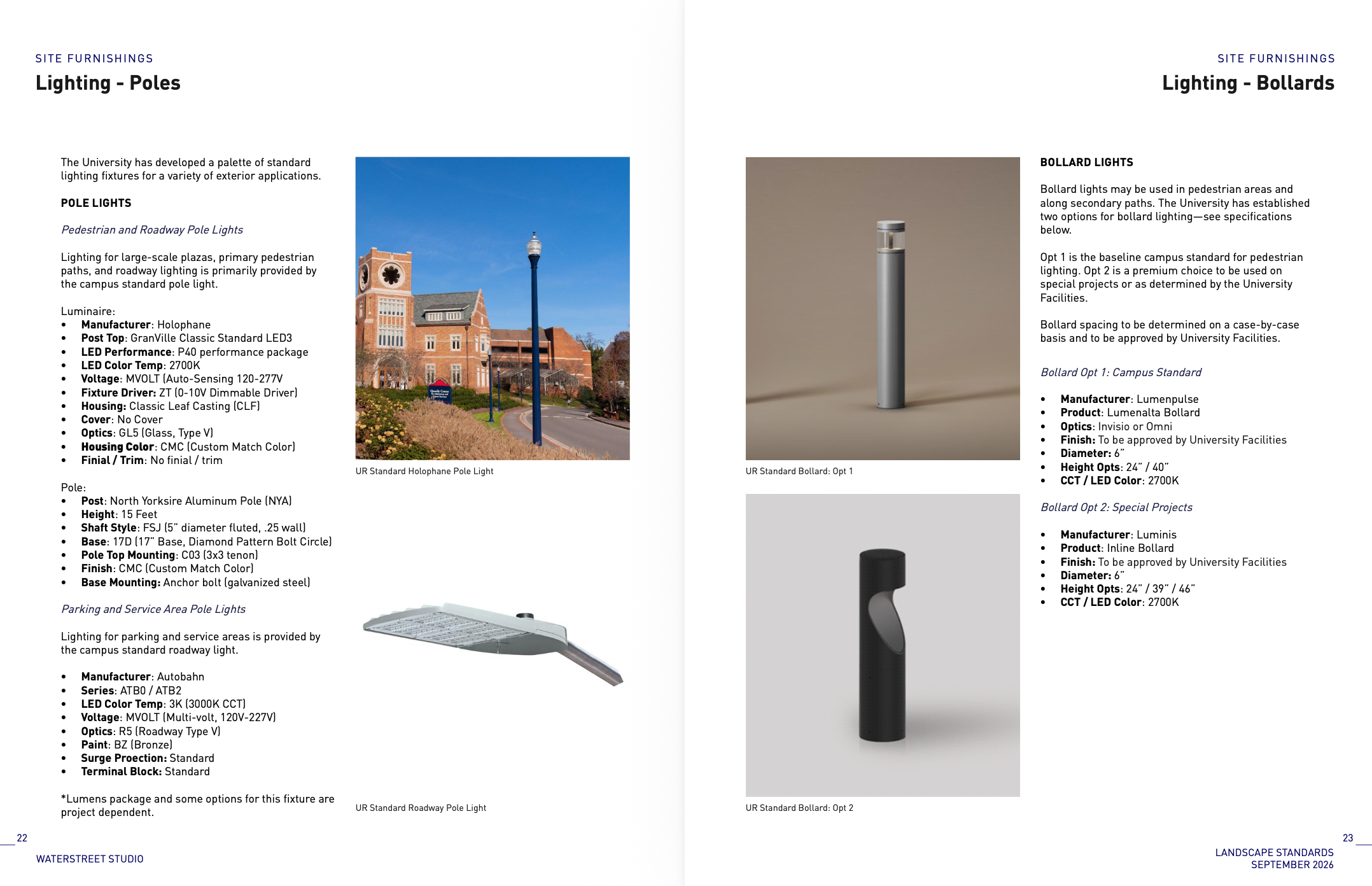
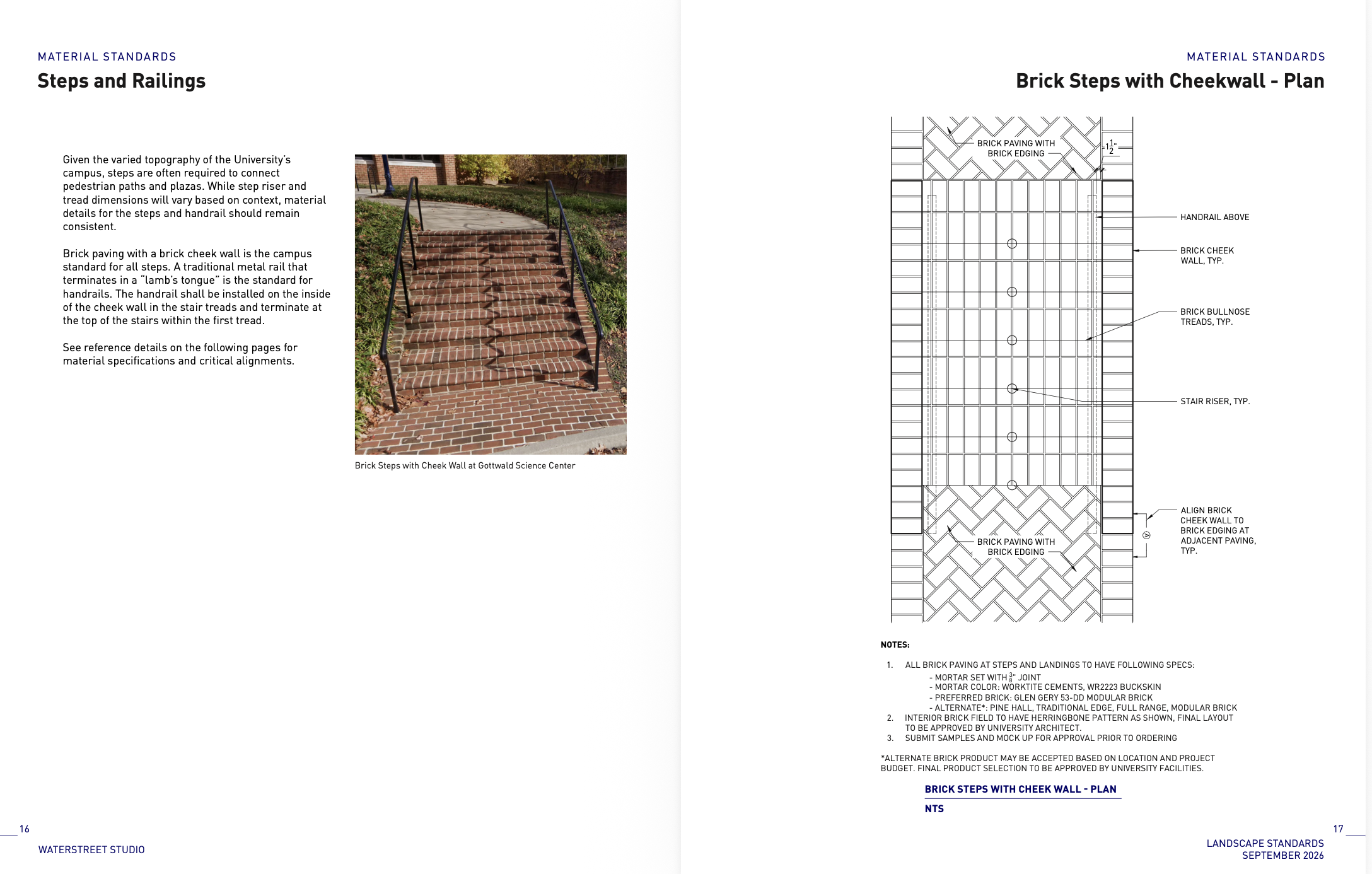
The University of Richmond’s 350-acre landscape is a diverse tapestry of history with different landscape typologies ranging from forested woodland to campus quads. The Collegiate Gothic architecture and woodland setting create a campus landscape full of detail and discovery for students, faculty, staff, and visitors alike. First designed by landscape architects Warren Manning and Charles Gillette, the university landscape has grown in size and complexity over the last century. With such a varied landscape and a changing campus community, it is important that the exterior design of the landscape remain as consistent and identifiable as the architectural language of the buildings. As a living document, these standards ensure that as the campus continues to change, the language of materials, details, and transitions stay consistent across the campus.
Campus Accessibility Study
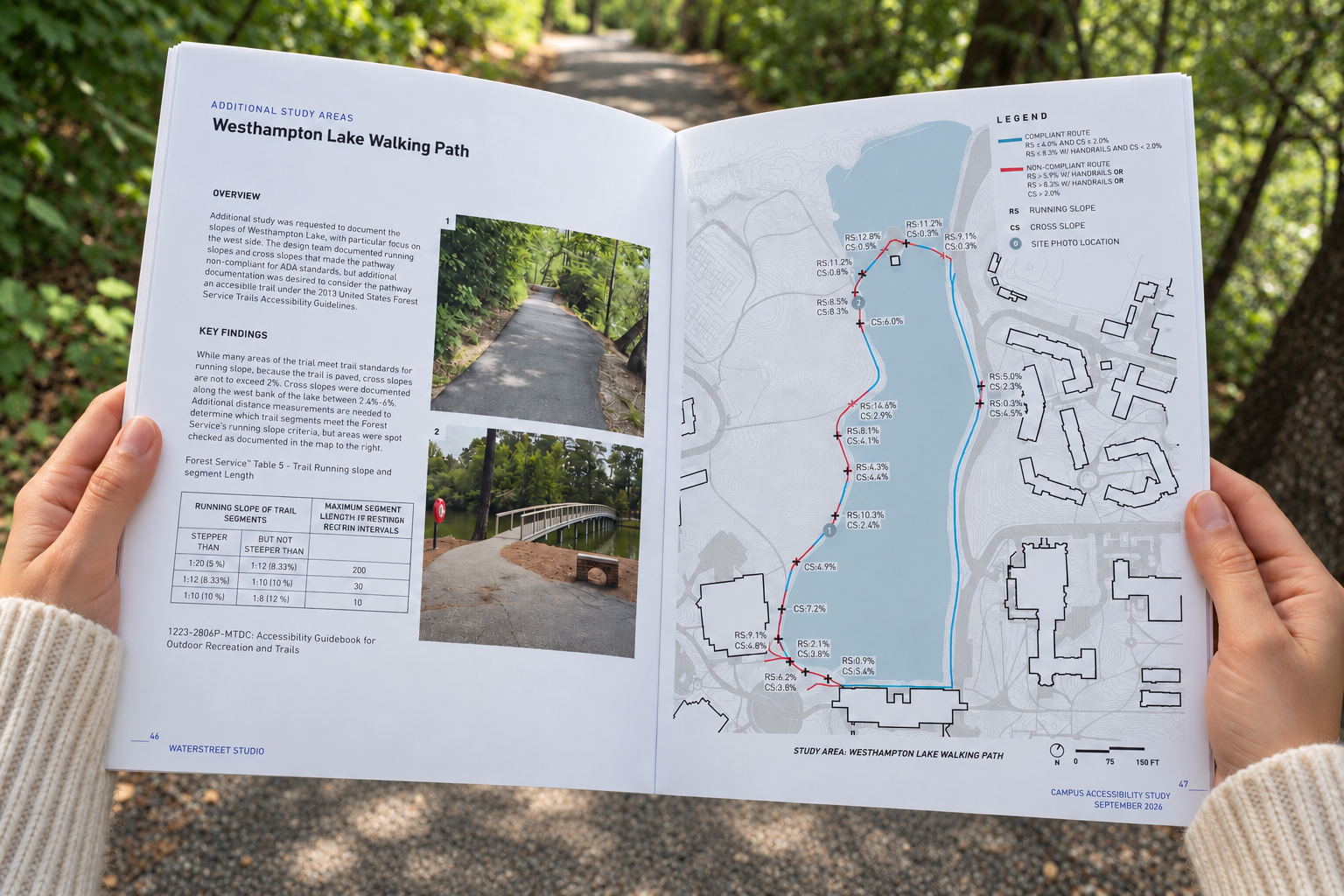
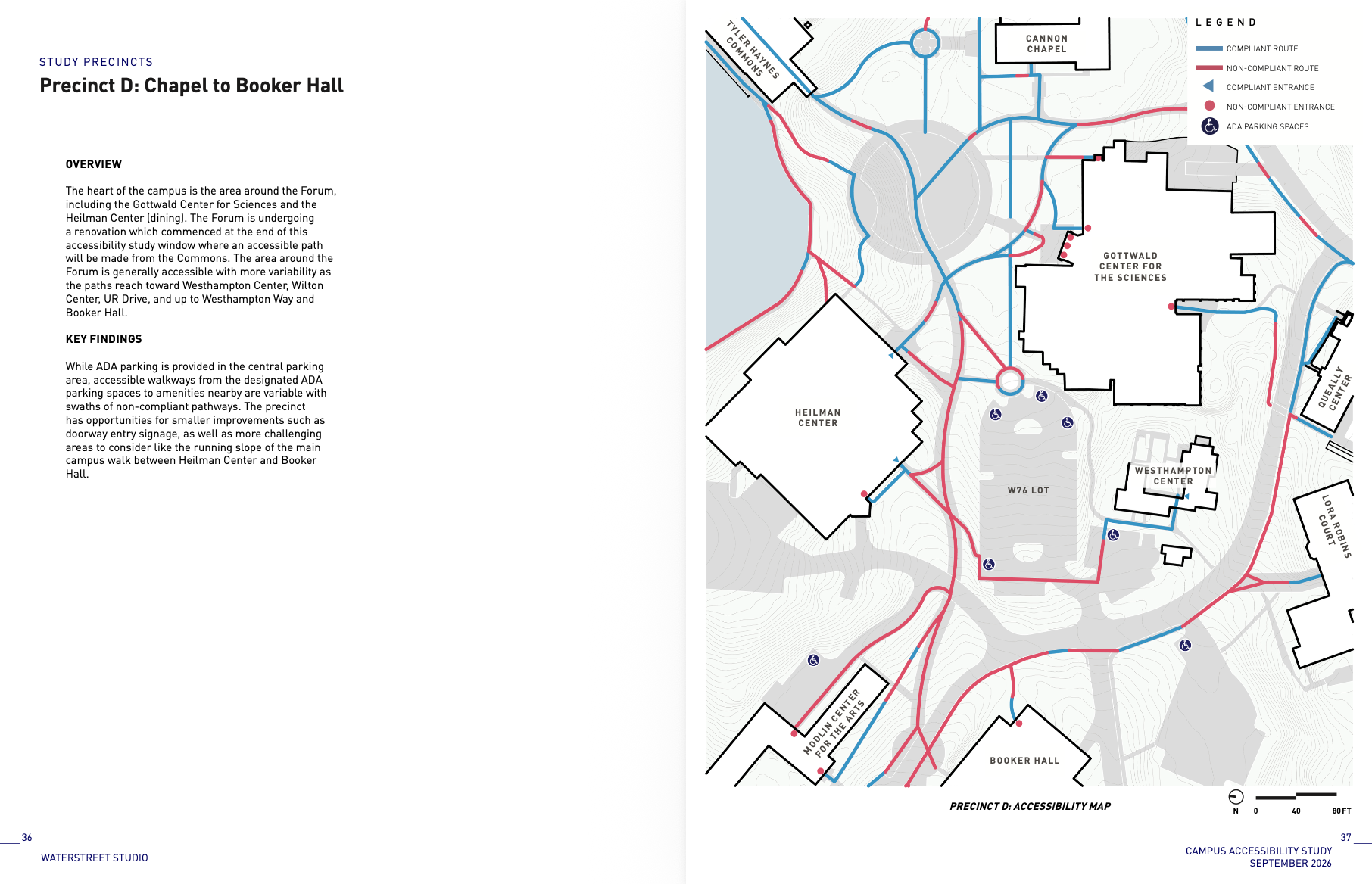
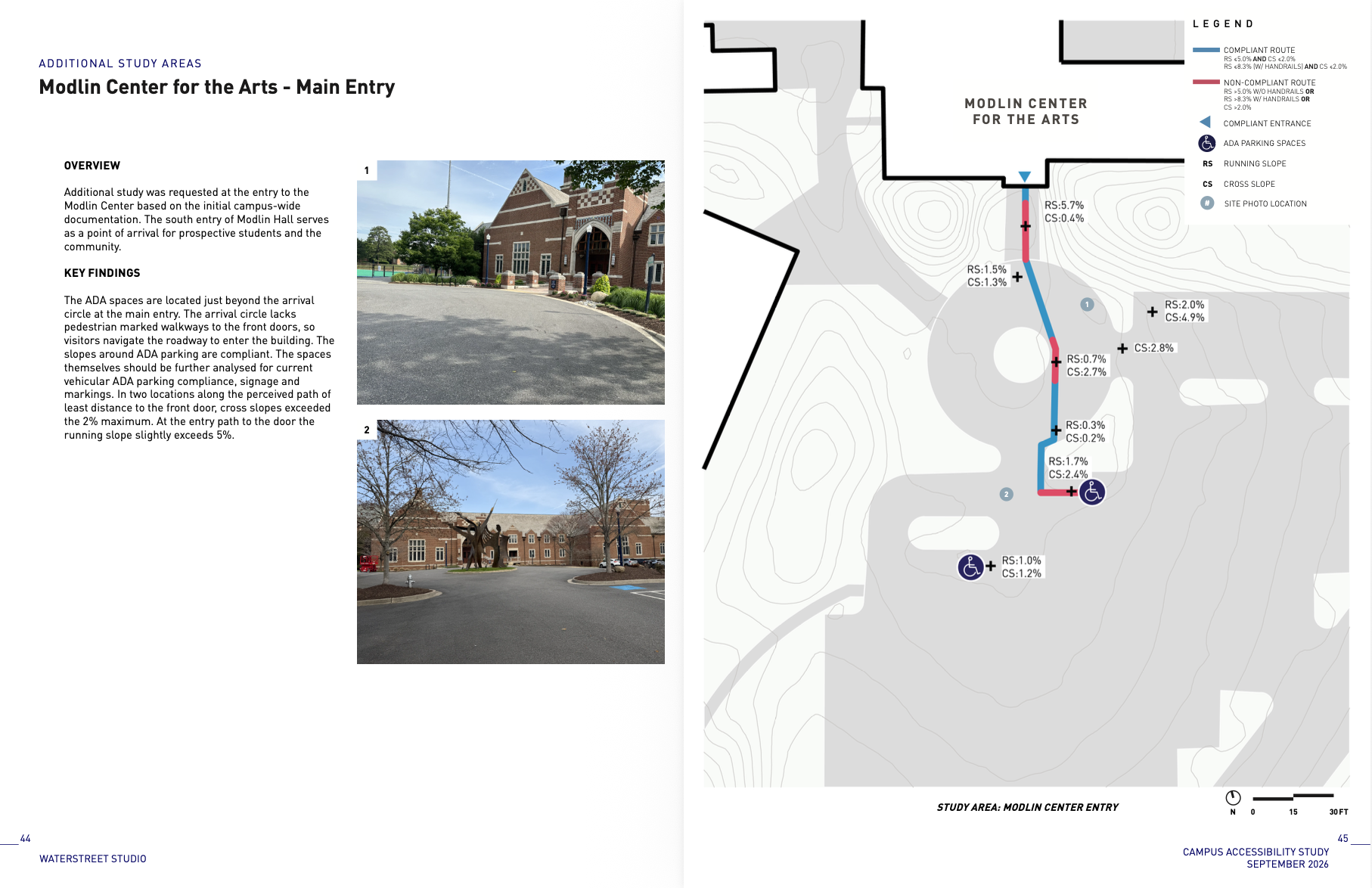
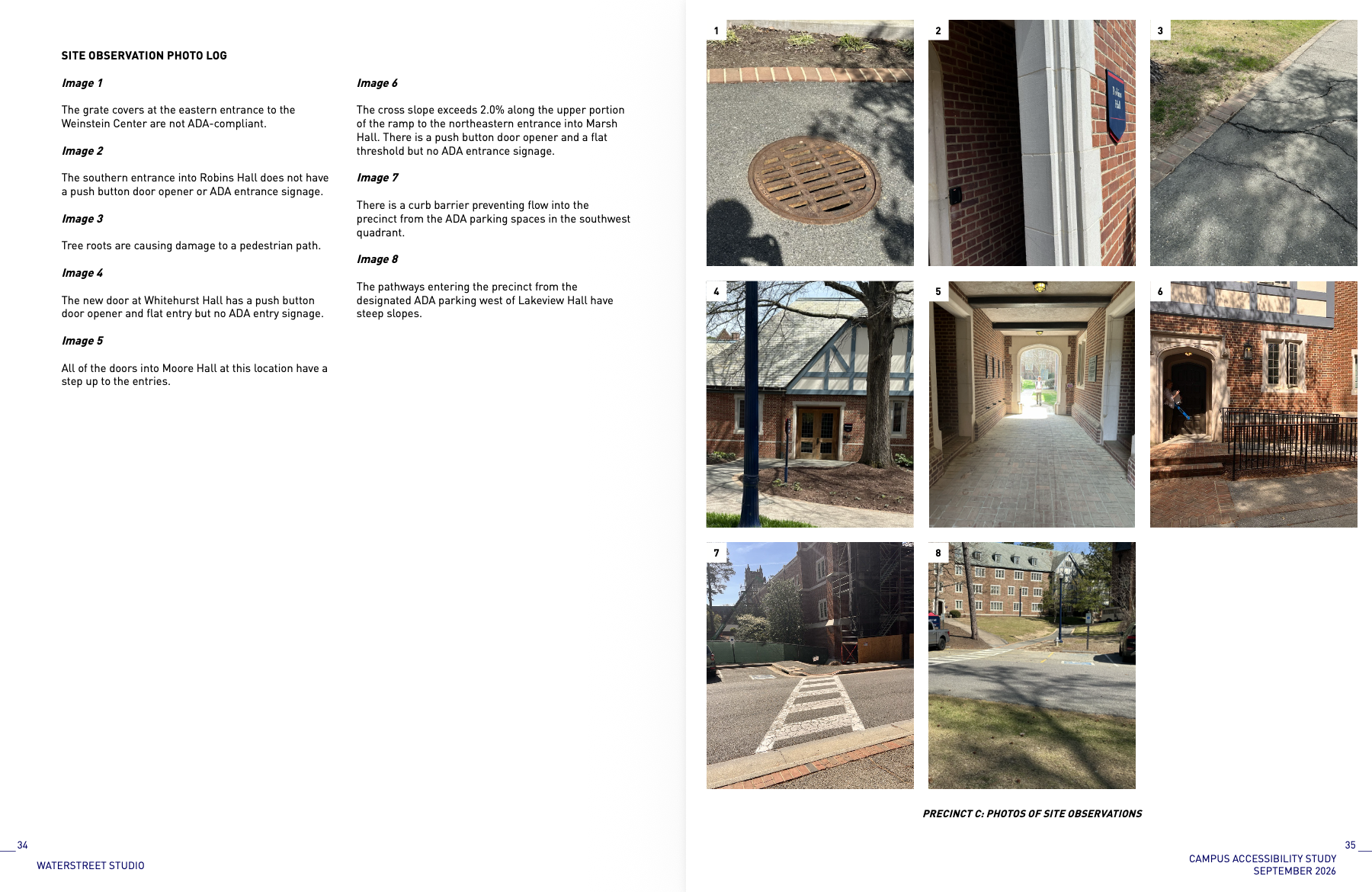
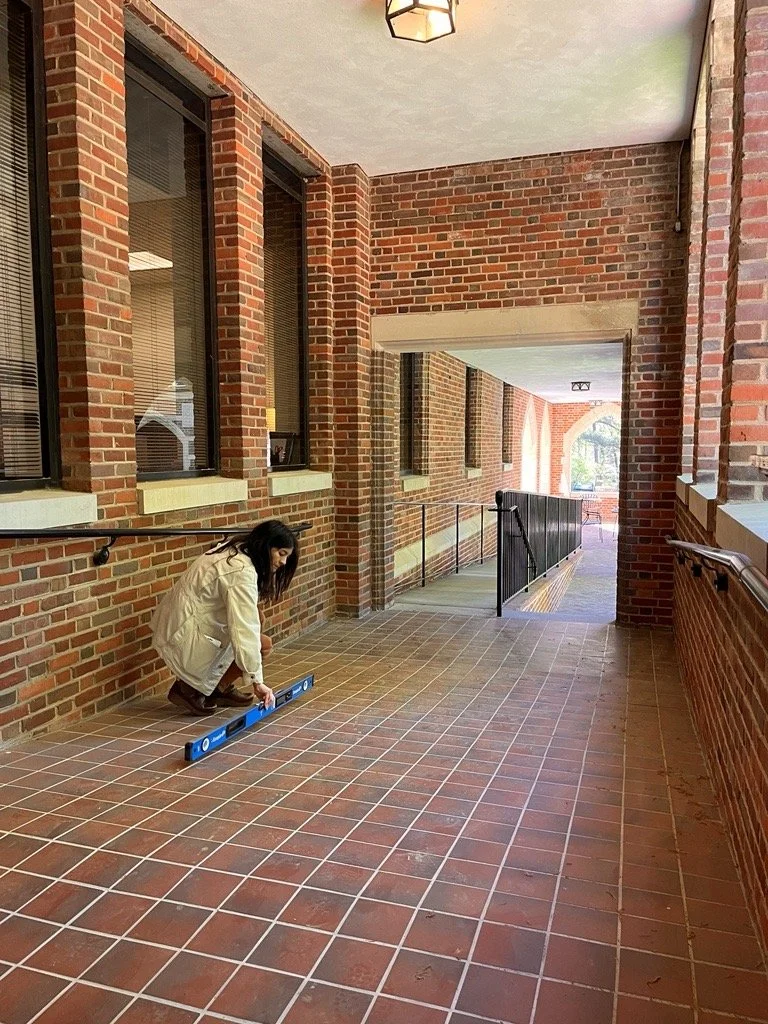
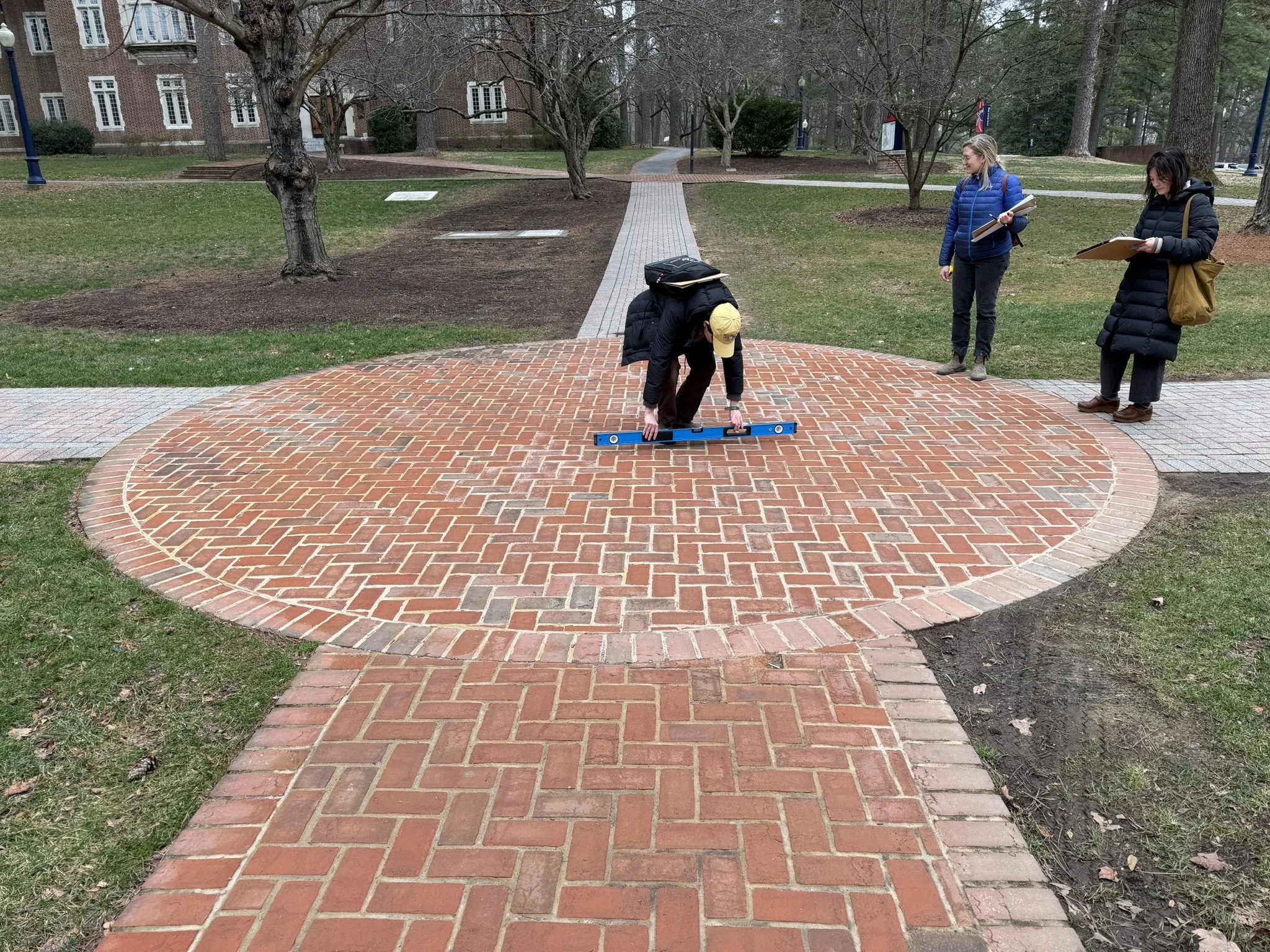
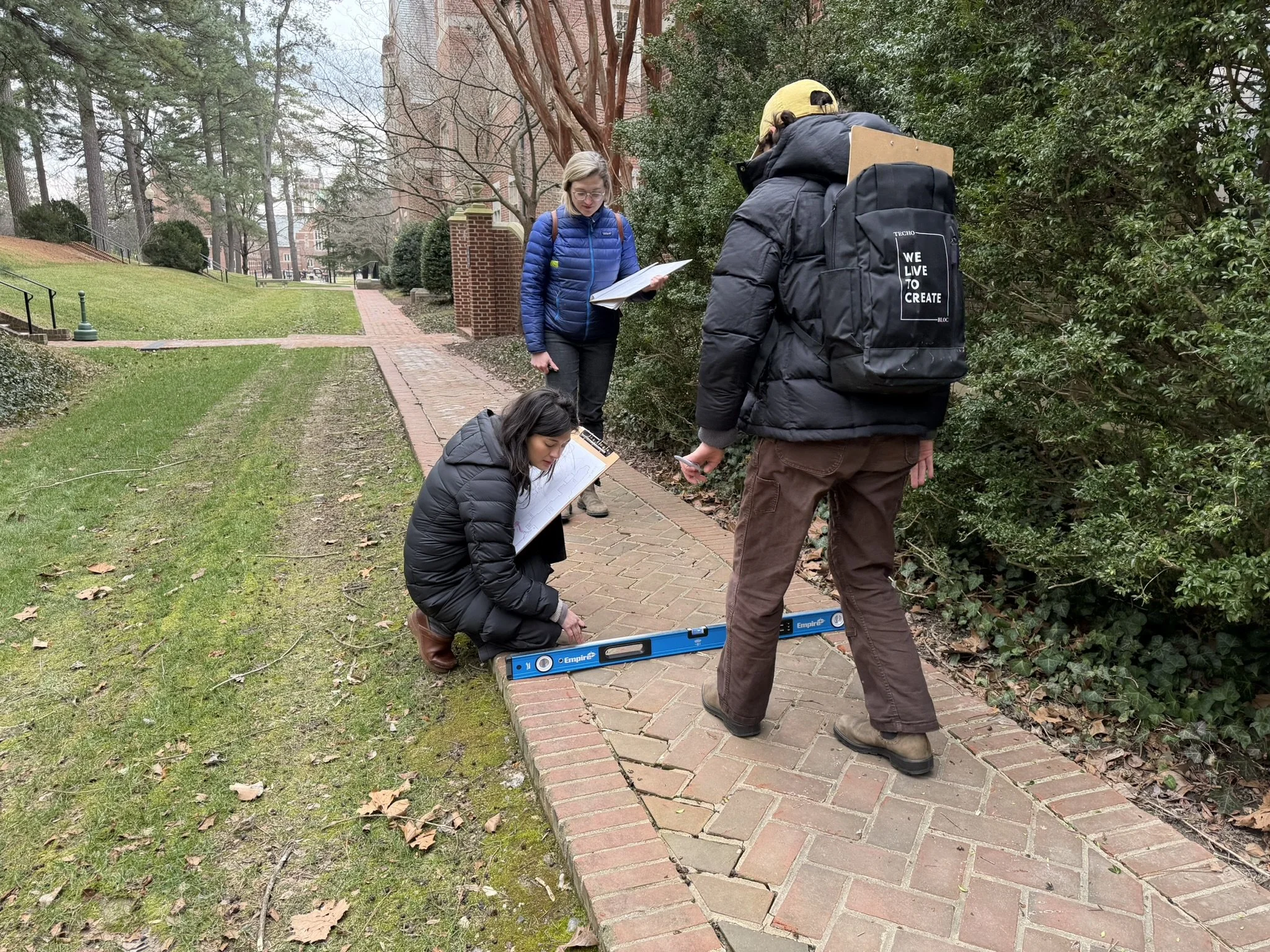
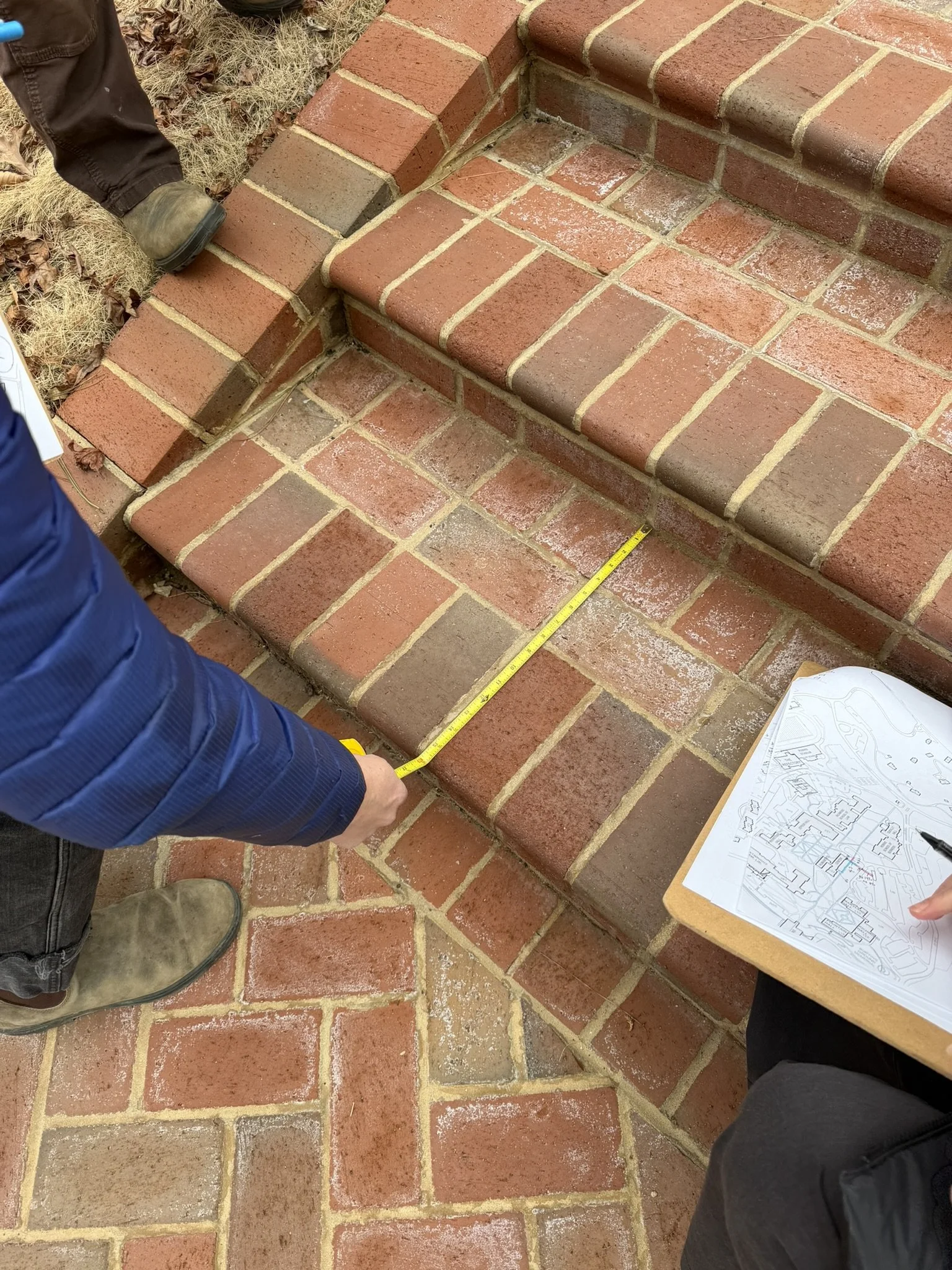
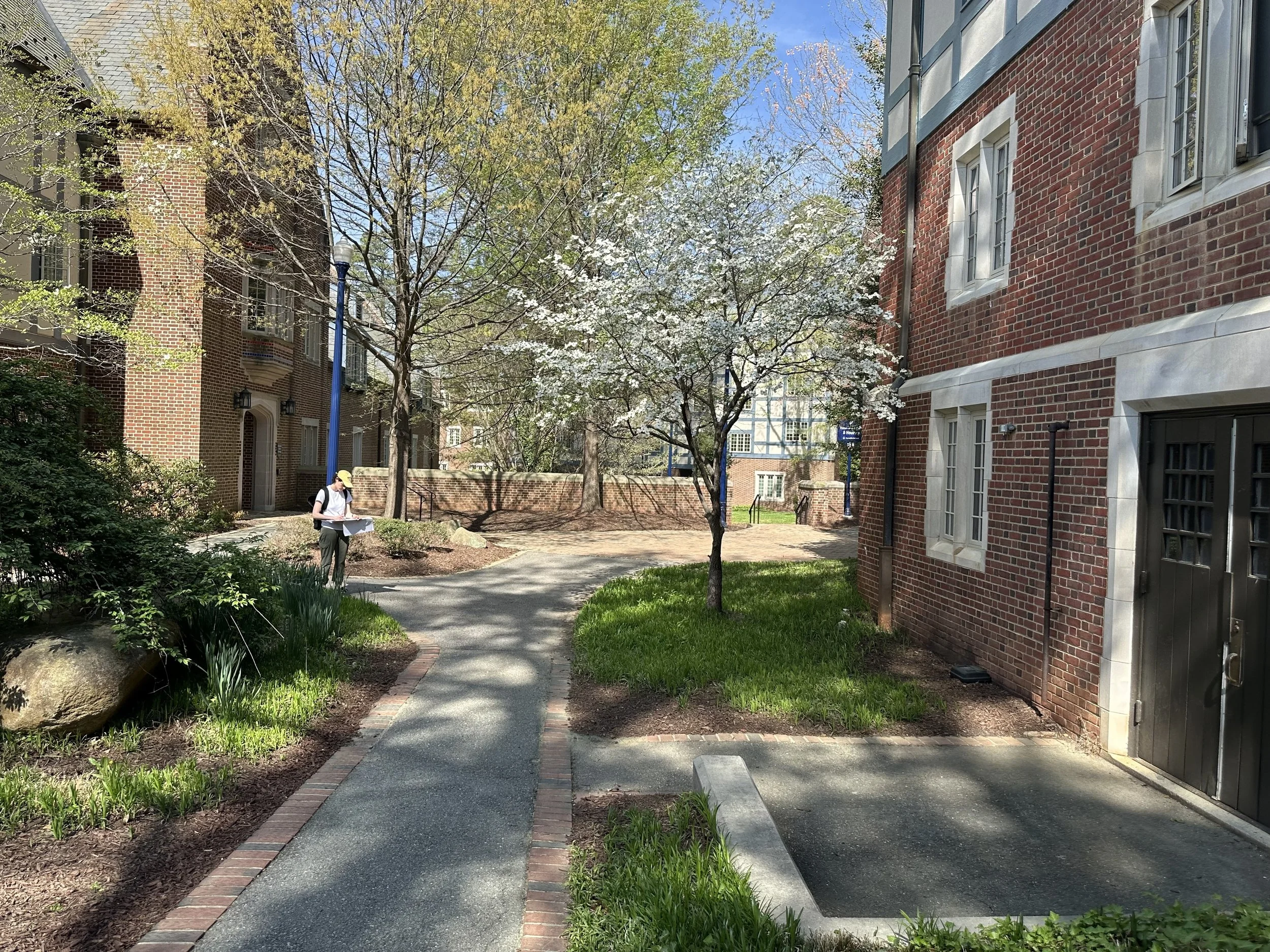
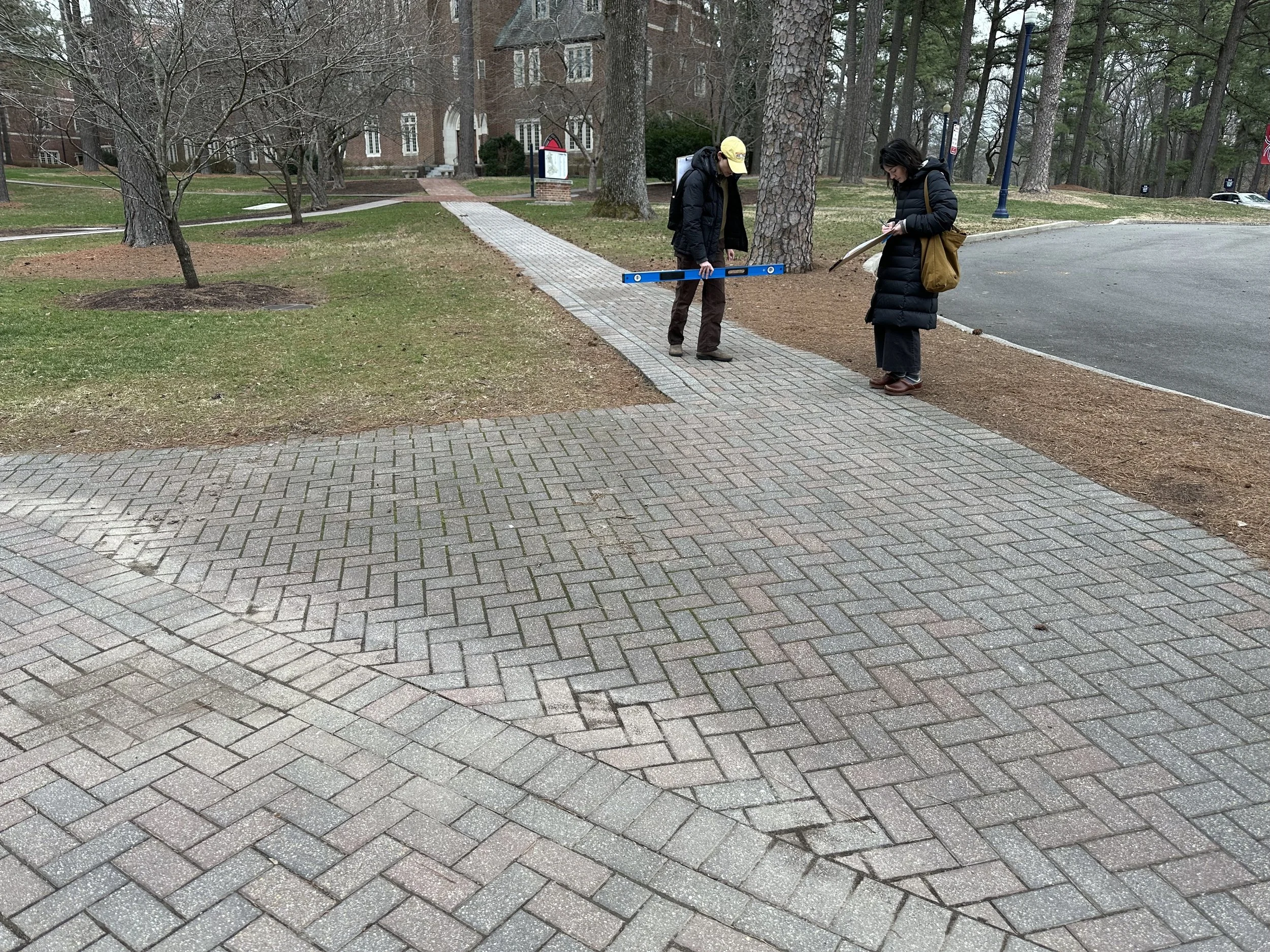
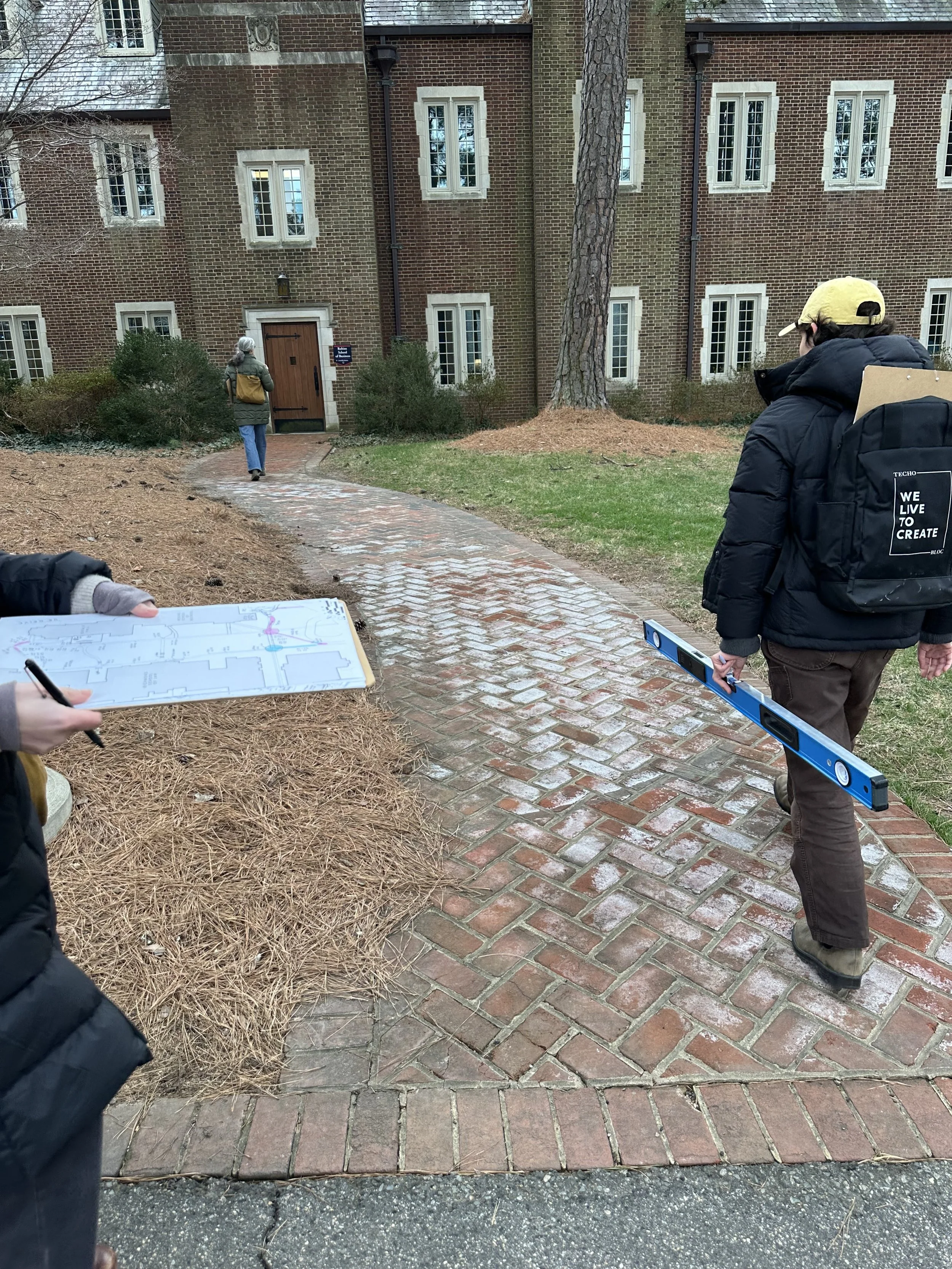
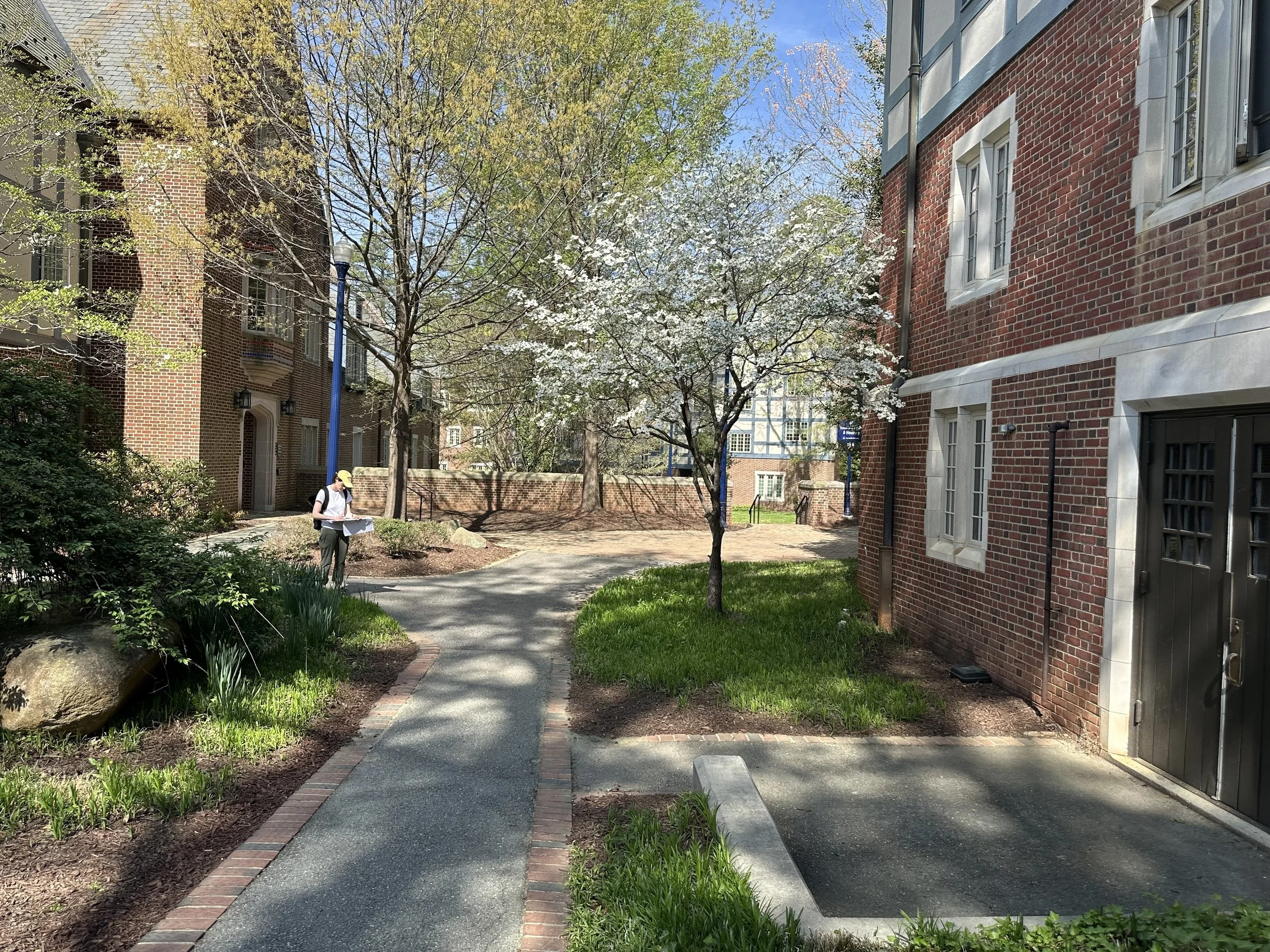
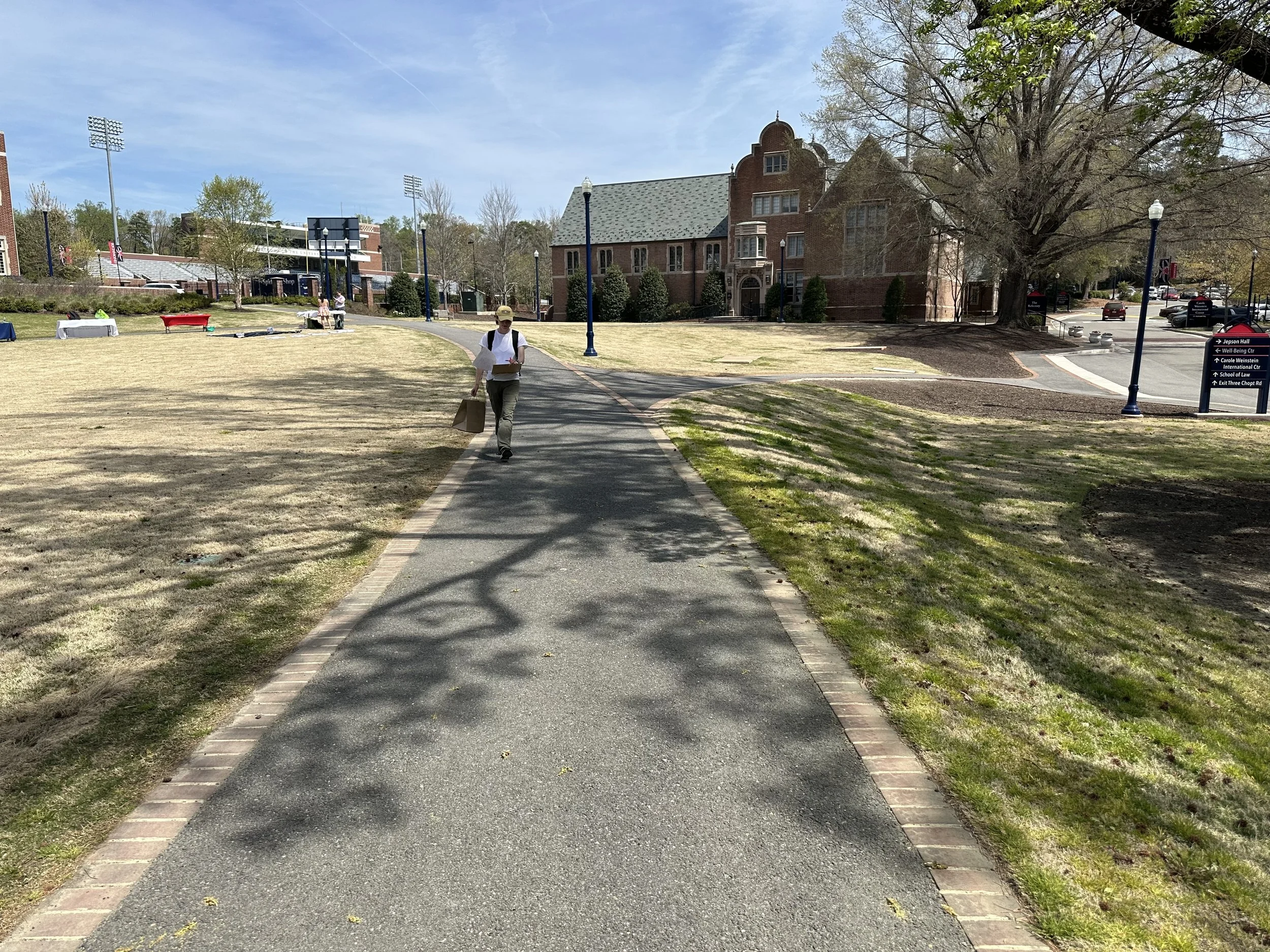
The University of Richmond has identified a need to increase and improve site accessibility between buildings and across campus. This study documents the existing conditions and provides strategies for remediation, upgrades, and enhancements. Fieldwork documented compliance with the Americans with Disabilities Act (ADA), including running slopes, cross slopes, obstructions, wayfinding, and signage at building entries. Routes typically used for campus tours and visitor wayfinding were documented and assessed, along with priority classroom buildings and study precincts. Working with the University Facilities Department of Architectural Services, the study concludes with summary notes on areas for improvement and priorities to meet the University’s long-term goals